Bill Walsh
Biography
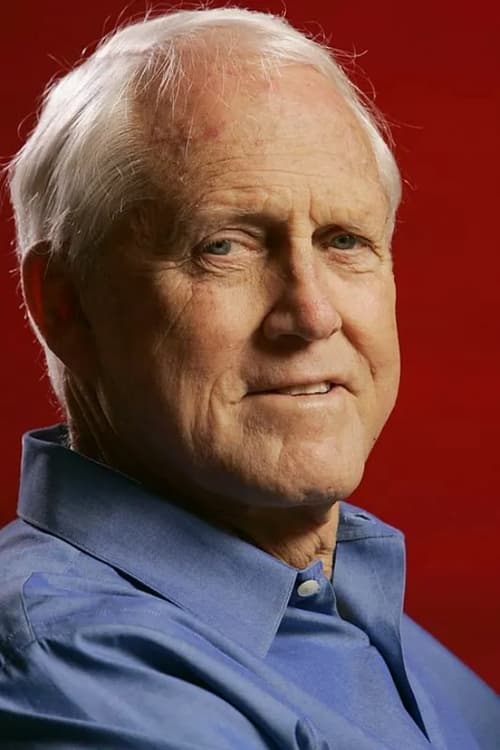
Bill Walsh was one of the most innovative and successful coaches in NFL history, revolutionizing the game with his West Coast offense. Born on November 30, 1931, in Los Angeles, Walsh attended Hayward High School, where he played running back. He played quarterback at the College of San Mateo for two seasons before transferring to San José State University, where he played tight end and defensive end. Walsh also participated in intercollegiate boxing, winning a golden glove. He graduated from San José State with a bachelor's degree in physical education in 1955, then spent two years in the U.S. Army participating on its boxing team before earning his master's degree in physical education from San José State in 1959. Walsh began his coaching career at Washington High School in Fremont, California, before moving through assistant positions at Cal, Stanford, and with the Oakland Raiders (1966). He spent eight seasons with the Cincinnati Bengals (1968-1975), where he developed the West Coast offense to suit quarterback Virgil Carter's strengths. He later refined the system with Ken Anderson, who became one of the era's most efficient quarterbacks. After a stint with the San Diego Chargers in 1976, where he helped develop Hall of Fame quarterback Dan Fouts, Walsh became Stanford's head coach (1977-1978), posting a 17-7 record with victories in the Sun Bowl and Bluebonnet Bowl. In 1979, Walsh became the head coach and general manager of the San Francisco 49ers, inheriting a team that had gone 2-14. Over ten seasons, he compiled a 102-63-1 record, winning three Super Bowls (XVI, XIX, XXIII), six division titles, and three NFC Championships. Under Walsh's leadership, San Francisco scored 3,714 points—the most of any team during that span—averaging 24.4 points per game. He was named the NFL Coach of the Year in 1981 and 1984. Walsh's coaching strengths earned him the nickname "The Genius": meticulous game-planning (famously scripting the first 10-15 offensive plays before each game), exceptional attention to detail in practice execution, and an extraordinary ability to identify and develop talent. He drafted Hall of Famers Joe Montana, Ronnie Lott, Jerry Rice, and Charles Haley, and acquired Steve Young in a trade. His innovative play-calling and systematic approach to building a championship organization established what became known as "the 49ers Way." Walsh's West Coast offense transformed football by emphasizing short, horizontal passing routes over traditional run-first strategies. This system stretched defenses horizontally, creating opportunities for both explosive runs and deep passes. The precisely-timed passing attack required exceptional quarterback-receiver communication and changed how offenses approached the game, making it more dynamic and high-scoring. After retiring from the 49ers in 1989, Walsh worked as NBC's lead NFL analyst (1989-1991) before returning to Stanford as the head coach (1992-1994), leading the Cardinal to a 10-3 record and a Pac-10 championship in 1992. He later served the 49ers as vice president and general manager (1999-2001) and consultant (2002-2004). Walsh's coaching tree remains unmatched, producing six Super Bowl-winning head coaches. He was inducted into the Pro Football Hall of Fame in 1993 and passed away from leukemia on July 30, 2007, at his home in Woodside, California.